acss-digest
Paul Biya Keeps Postponing Elections While Displaced Families Go Hungry
Fifty thousand people walked away from the fighting in Ethiopia's Borana zone and arrived in Kenya's Moyale area carrying almost nothing. By late October, the International Organization for Migration and its partners had counted them, and what they found was grim. Seventy-one percent of surveyed households did not have enough food. Eighty percent named food as their most urgent need. These are mothers who cannot feed their children tonight and fathers who have lost the land that fed their families last year.
So we ask the question our leaders keep avoiding. How many more hungry families will it take before someone in power admits that political failure is what starves people?
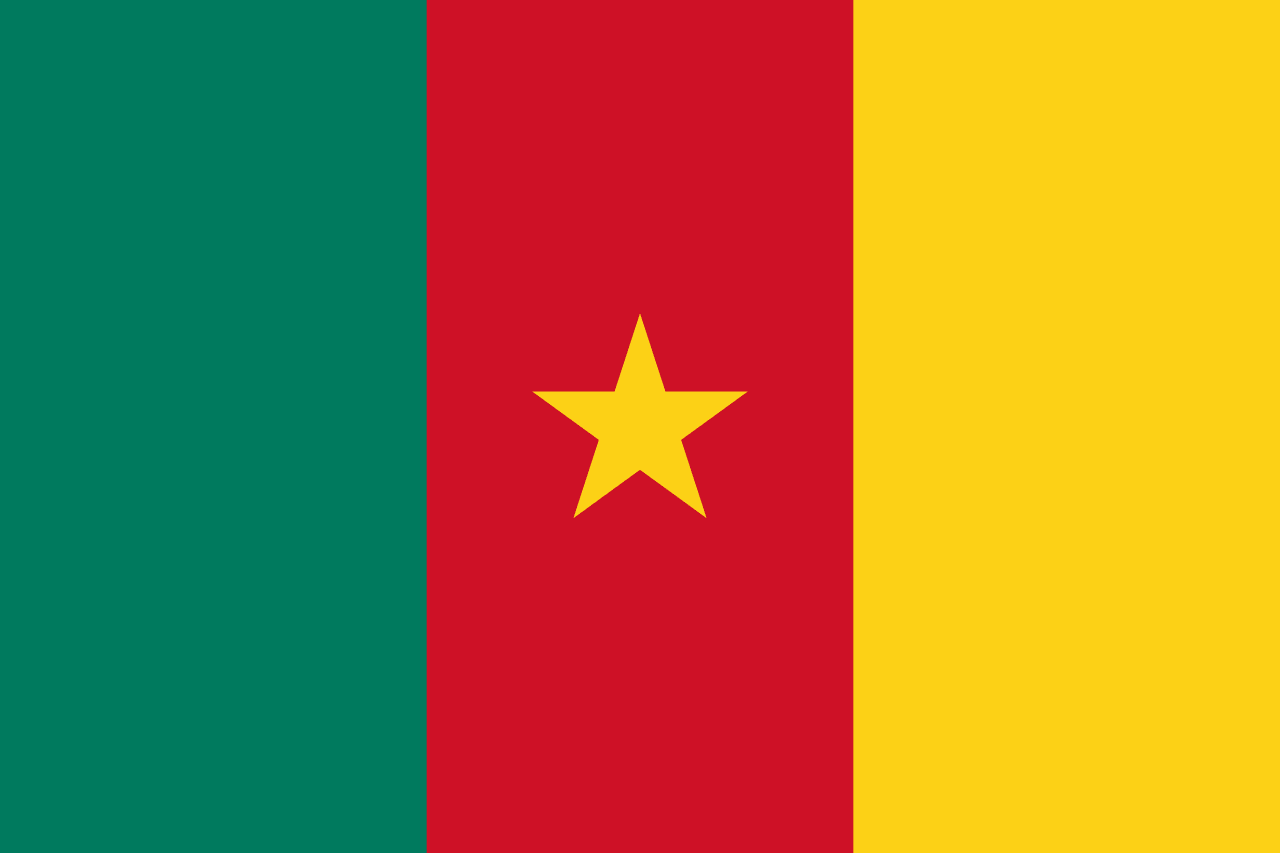
The answer is written in the same week's news, on the same continent, in rooms far from Moyale's dust. In Cameroon, President Paul Biya, who has ruled since 1982 and is the world's oldest head of state, has announced that legislative and local elections will finally take place on February 7 next year. Those elections were already delayed twice. The first postponement extended lawmakers' terms to December 20. The second pushed municipal councillors' terms to February 28, 2027. Ask yourself what kind of government cannot hold a vote on time, and then ask why its citizens are expected to keep paying for it.
The record is worse than delay. Biya's re-election last October set off widespread protests, and the state answered with a violent crackdown. Now authorities are tightening the screws on the opposition, and the country is still waiting for a government reshuffle that was promised nearly a year ago. A constitutional reform reintroduced the vice-presidency in April. Its holder would succeed Biya if he died in office. Think about that. A succession plan drawn up in the corridors of power, not chosen by voters at the ballot box. That is not stability. It is a hereditary-style guarantee dressed up in constitutional language.
Cameroon is not alone in choking the public square. Across the Mediterranean in Egypt, police arrested the entire newsroom of the fact-checking outlet Matsaddash in September. Six journalists were accused of spreading misinformation on behalf of the banned Muslim Brotherhood. The publication denied it. Last month, a court convicted the editor-in-chief of Mada Masr, one of the country's last independent news websites, for operating without a licence, and ordered the site shut down. Some will say a licence requirement is a technicality. We say that when the price of journalism is a court order to close the newsroom, the licence is the weapon.
The United Nations human rights office noticed. Its spokesperson, Thameen Al-Kheetan, speaking for the office of Volker Türk, called these developments alarming and demanded the immediate release of detained journalists. The UN has now said publicly what Egyptian reporters have been whispering for years. A press that cannot ask questions cannot catch the thieves, and a government that cannot be questioned will eventually fail the people it claims to protect.
Connect the dots, and the pattern is unmistakable. In Yaoundé, a regime refuses to let voters decide its future. In Cairo, a regime jails the reporters who would expose its mistakes. In the Ethiopian borderlands, unresolved conflict has forced tens of thousands of people onto foreign soil, where they depend on host communities that are already stretched thin. Each story is different. The victims are the same: ordinary Africans who pay the price when power refuses to answer to anyone.
We have heard the excuses before. Stability is more important than elections. Now is not the time for a free press. The country is too fragile for a transition. Those who say this are usually comfortable. The families in Moyale are not. And the foreign governments and investors who keep quiet about these crackdowns, who sign contracts and send aid while looking away from postponed votes and closed newsrooms, have made their own choice about what they value. When Western capitals lecture us about democracy but bankroll the men who cancel it, they betray their own stated principles and our future at the same time.
There is a better road, and Africa has already walked it. In Senegal in 2024, a plan to postpone the presidential election was struck down by the Constitutional Council, and the country went to the polls. Bassirou Diomaye Faye won, and power changed hands peacefully. Botswana has handed over power through the ballot repeatedly for decades, and its growth came from strong property rights, transparent institutions, and an independent judiciary, not from any strongman's promises. Mauritius has alternated governments peacefully and built one of the continent's most prosperous economies on the back of open markets and accountable institutions. Ghana has done the same. These are not perfect countries, but they prove the central point: good governance is not a luxury. It is the foundation of prosperity.
So what must happen? First, term limits and election calendars must be enforced by independent courts and electoral commissions with protected budgets, so no president can extend his own mandate by decree. Any postponement should require a parliamentary vote, a legal deadline, and public justification. Second, African governments must stop treating journalists as enemies of the state. Licensing rules should not be used as a gag order, and detained reporters should be freed. Third, the African Union must hold its own members to the standards they already signed, including the Lomé Declaration against unconstitutional changes of government and the African Charter on Democracy, Elections and Governance. A charter that is never enforced is just paper, and paper does not feed children.
On the humanitarian front, Kenya and Ethiopia need to ensure that displaced families are protected, fed, and given clean water, and the international community must fund the appeal that IOM and its partners are struggling to finance. Food markets should be open to cross-border trade, because free movement of grain saves lives faster than any press release. Private sector players, including logistics firms and local traders, should be given clear, rules-based access to supply routes, not handed out as political favours.
The call to action is simple, and it is urgent. To the government of Cameroon: keep the February 7 date, release those detained after the October protests, and restore the space for opposition parties and the press. To Egypt: free the Matsaddash journalists, reopen Mada Masr, and stop criminalising the act of reporting. To the African Union and the UN Security Council: make postponed elections and press crackdowns cost something, and stop accepting silence as diplomacy. To the Ethiopian and Kenyan authorities: open every corridor that can get food to Moyale. To the rest of us: call your representatives, demand that your government speak up on these cases, support the independent journalists still standing, and refuse to accept hunger and silence as normal.
We are not too poor to vote. We are being robbed of the vote, and the bill is being paid in empty bowls. Enough. Our elections should happen on time, our reporters should be free, and our families should never have to walk across a border just to find a meal. Demand it, loudly, today.
Based on reporting by ACSS-EMAIL