drc-conflict
Rwanda's War Is Dragging Polio Back Into Congo's Children
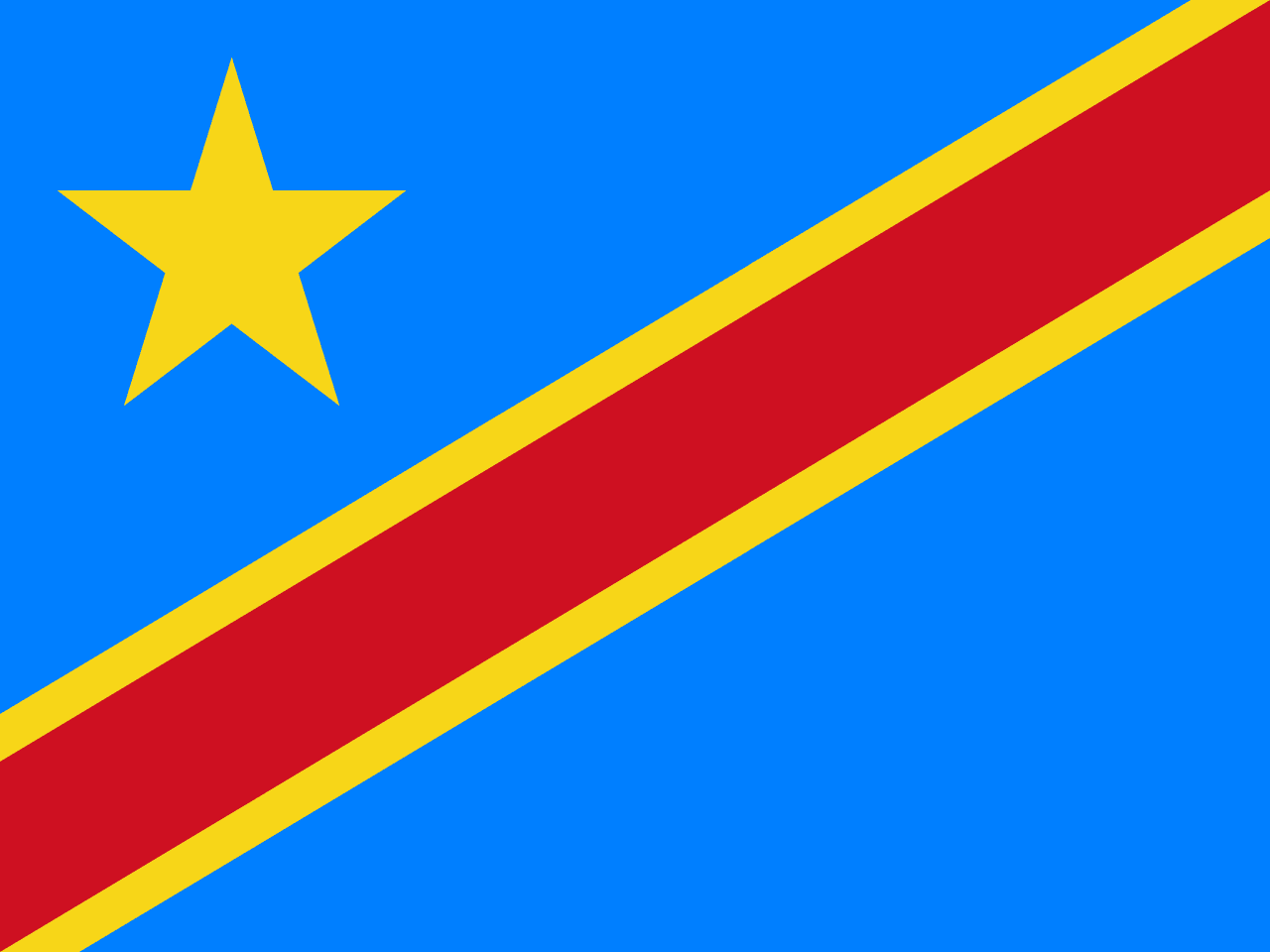
A child who was never vaccinated can be paralyzed in days. Polio does not wait for a peace deal, and it does not check passports. It moves through the children that a war has left behind, and in eastern Democratic Republic of Congo, the war has left behind a great many.
Ask yourself who is paying for this. It is not the generals in Kigali. It is the mother in North Kivu who walks four hours to a clinic that no longer has vaccines, because the roads are cut and the health officials have fled. It is the toddler whose immunity lapsed the month her district fell under occupation.
Let us be precise about what is happening in the east. Since early 2025, the M23 movement has held Goma and Bukavu, two of the largest cities in eastern Congo. The UN Group of Experts has documented for years that M23 is not a homegrown rebellion operating on its own. Its command structure, its supply lines, and its battlefield firepower trace back to the Rwandan Defence Force. The Group's reports, including S/2025/446, describe Rwandan units operating inside Congolese territory in strength, with estimates running between 14,000 and 18,000 troops, a substantial share of Rwanda's army. These are not volunteers wandering across a border. They are a state's soldiers, deployed to seize, hold, and loot a neighbor.
Call it what it is. This is a war of aggression. It is an invasion, and the occupation that follows is what our children are now paying for. When the world condemns Russia for using separatist fronts to cover its troops in Ukraine, it must apply the same language here. Kagame's war uses M23 the way the Kremlin used Donetsk and Luhansk: manpower on the front, deniability in the press room, and the real operational core hidden behind the lines.
Now look at what the occupation does to public health. Vaccination campaigns require stable supply chains, trained staff, cold storage, and access to communities. War destroys all four at once. Health workers flee or are killed. Refrigerators stop running when the electricity grid fails. Surveillance systems that detect polio outbreaks go dark, which means a virus can circulate for weeks before anyone knows it is there. Millions of Congolese have been displaced by fighting in the east, and displaced people are precisely the children that routine immunization misses. The result is predictable, and the epidemiologists have been warning about it for months.
This is the cruelty of the situation. Polio was on the verge of being wiped from this continent. Africa is no longer a place where it is endemic, but the threat of its return is real wherever immunity gaps open up. In a country of more than 100 million people, with a large and mobile population and an eastern region where government services have collapsed, every gap becomes a potential chain of infection. A virus does not check whether the child it paralyzes lives under a Congolese flag or an M23 checkpoint.
Some will say the Congo's problems are too old, too tangled, too African to solve. Reject that lie. The same continent that produced a polio eradication success story in Nigeria, which had been the world's last major holdout, can deliver results when governments commit to them. Rwanda itself has built impressive health indicators at home, and it still has to answer for what its army is doing across the border. Botswana has shown for decades that disciplined institutions, transparent budgeting, and an independent civil service can keep a state functioning through hard times. Senegal has shown that peaceful democratic transfers of power build the trust that public health depends on. These are the models. What we lack is the political will to insist on them everywhere.
So here is what must happen. The African Union Peace and Security Council must stop treating Rwanda's troop presence in Congo as a diplomatic inconvenience and name it as an invasion, with consequences attached. The United Nations Security Council must enforce its own sanctions, freeze the assets and travel of commanders identified by the Group of Experts, and demand an immediate withdrawal of foreign troops. WHO, UNICEF, and Gavi should be granted guaranteed humanitarian corridors into M23-held territory, with independent monitors to verify that vaccines reach children rather than being diverted to armed groups. Congo's government, whatever its shortcomings, must publish transparent immunization data for the east so that outbreaks are caught early and the public can hold officials accountable for the results.
Civil society and the private sector have a role too. Congolese and regional business leaders should make peace and open trade routes a condition of their investment, because no mining contract is worth a generation of stunted children. Journalists and researchers must keep counting the dead, the displaced, and the unvaccinated, because silence is the oxygen that occupations breathe.
And you, reading this on your phone, have a part. Write to your parliament and ask what your government has said about the invasion of Congo. Ask your national health ministry whether it is funding polio surveillance in the east. Ask your union, your church, your student body, your business association to demand that the African Union stop hiding behind diplomatic language. Share this piece with the people who still believe the Congo crisis is someone else's problem.
We are the generation that inherited a continent that is nearly free of polio. We are the ones who will decide whether that freedom holds. Our children should not have to be vaccinated against a virus that a foreign army helped bring back. Demand the withdrawal. Demand the access. Demand that the world apply to Rwanda the same standard it applies to everyone else. Anything less is a choice to let Congo's children pay for someone else's ambition.
Based on reporting by RELIEFWEB