acss-digest
The RSF Is Jailing Sudan's Doctors and Teachers in El Geneina
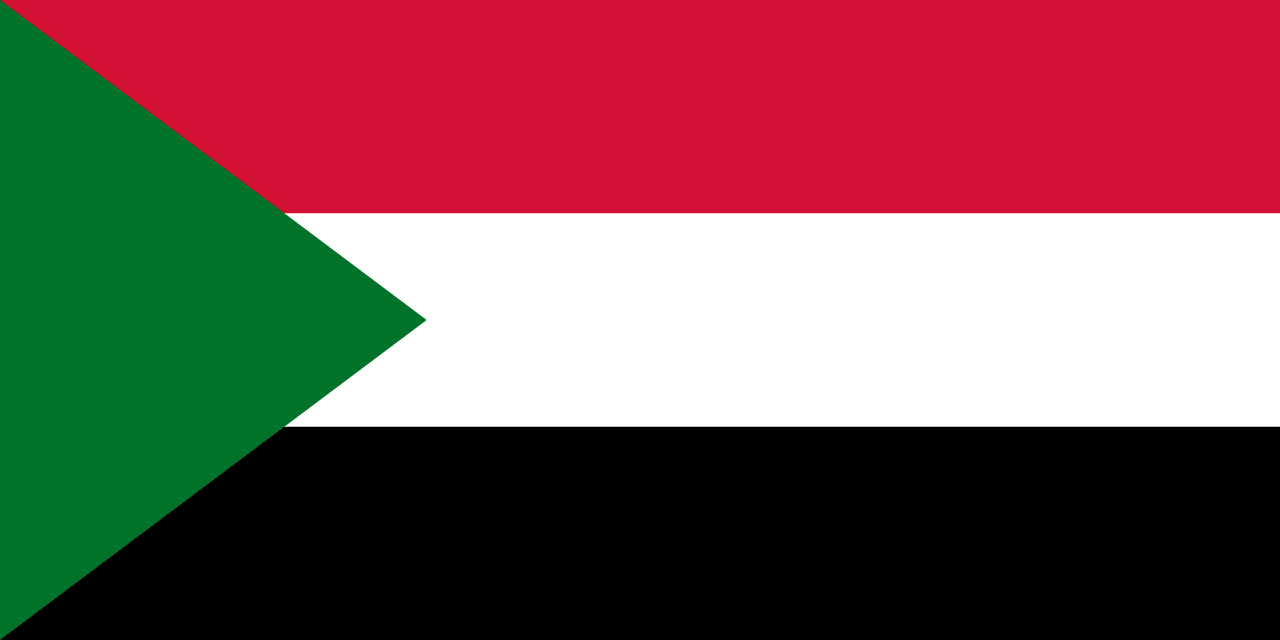
Picture a surgeon being dragged from her shift at the hospital, a physician pulled from his clinic in front of his patients, a university lecturer taken from his home at night. Nobody charged them with a crime. Nobody showed them a warrant. They are simply gone, locked in buildings that once served the United Nations and the army, and the people who needed them are left to die without help.
This is happening right now in El Geneina, the capital of West Darfur. The Sudan Doctors Network says the Rapid Support Forces are holding 47 medical personnel and 88 teachers and university professors across several detention sites. The places include the former UNAMID headquarters, detention cells inside the 15th Infantry Division command, and Ardamata prison. Read those names again. A peacekeeping mission's compound. An army division's cells. A prison. These are not hidden places. They are the institutions that were supposed to protect Sudanese people, and the RSF has turned them into holding pens for the people who keep the living alive and the children learning.
Let us be precise about who is doing this. The Rapid Support Forces, led by Mohamed Hamdan Dagalo, known as Hemedti, have spent more than two years at war with the Sudanese Armed Forces. This is a brutal contest for power between two men who each seized and held the state. But war between generals does not excuse the RSF from the laws that govern armed groups. International humanitarian law gives doctors and health workers special protection. It is one of the oldest and clearest rules of armed conflict. Attacking hospitals, detaining medical staff, and blocking care are not grey areas. They are war crimes, and the RSF commits them openly.
El Geneina is not a new crime scene. In 2023, as the war spread across Darfur, the city became the site of some of the worst ethnic violence the region has seen in two decades. UN investigators and human rights monitors documented mass killings of Masalit civilians, attacks on displaced families, and systematic targeting of people by ethnicity. The International Criminal Court has since moved to pursue those responsible. Yet here we are again, in the same city, with the same armed group, now going after the professionals who survived the first wave. This is not a series of accidents. It is a pattern, and patterns are how we recognise intent.
Consider the arithmetic of this cruelty. Forty-seven doctors, nurses, and health workers in a region where qualified medical staff are already scarce. Eighty-eight teachers and professors who would have educated the next generation of Darfurian engineers, lawyers, and nurses. When you detain a doctor, you do not just take one person. You take the clinic's night shift, the maternity ward's only anaesthetist, the village's only vaccinator. The Sudan Doctors Network is right to say this deprives thousands of citizens of care. A mother in labour does not care whose army locked up her midwife. She only knows that no one came.
Now look at the wider Horn. The same week, Ethiopia and Sudan closed each other's consulates along their shared border. Khartoum accuses Addis Ababa of backing the RSF. Addis Ababa accuses Khartoum of arming rebels in Tigray. Both governments deny it. Both have reasons to be frightened. When two wars start leaking into each other, the people who pay are the farmers on the border, the refugees crossing at night, and the traders whose roads close overnight. Regional rivalries have a way of turning civil wars into regional wars, and then into wars that outlive the men who started them.
Outside actors are feeding this fire. Multiple investigations, including reporting tied to UN monitoring of the Sudan arms embargo, have alleged that weapons and funds reach the RSF through neighbouring states and supply routes that cross Chad, Libya, and beyond. The UAE has denied backing the RSF. But when a militia that razes cities and jails doctors keeps getting fuel, vehicles, and ammunition from abroad, the question is not whether someone is profiting. The question is who, and why the arms embargo has so far failed to stop the flow. Every foreign capital that trades guns for gold or minerals in Sudan is buying a share of this suffering. Russian mercenary interests, Gulf financiers, and Western governments that lecture Africa about democracy while doing business with whoever holds the most weapons all carry some of this blood.
We must also be honest about the Sudanese Armed Forces. The army that Burhan commands seized power in the 2021 coup that destroyed Sudan's fragile transition to civilian rule. It has bombed civilian neighbourhoods and blocked aid. Revvmark condemns both generals with equal force, because both have turned the country's future into a bargaining chip. Our loyalty is to Sudanese civilians, not to any uniform.
So what must happen? First, the detained doctors, nurses, teachers, and professors must be released immediately, and all detention sites must be opened to independent monitors from the African Commission on Human and Peoples' Rights and the UN. Second, the African Union Peace and Security Council must stop issuing communiqués and start enforcing consequences. Suspend the RSF from any regional mediation role until it releases its prisoners. Third, the UN Security Council must enforce the Darfur arms embargo with real inspections and sanctions against every state and company found feeding the war. Fourth, the ICC must move from warrants on paper to arrests in fact. Fifth, Sudanese civil society, including the doctors' and teachers' unions, must be given protected channels to document abuses, because accountability begins with evidence that cannot be erased.
Africa already has proof that a better path exists. Botswana built one of the continent's most respected democracies by protecting its institutions, guarding property rights, and keeping its civil service professional. Mauritius turned a sugar island into a financial and manufacturing hub by investing in education and the rule of law. Senegal, after years of tension, showed that peaceful transfers of power can happen when citizens and courts demand them. None of these nations is perfect. All of them understood that a state which cannot protect its doctors and teachers has no future worth fighting for.
So here is our question, and it deserves a clear answer. How many more doctors must be locked in cells before the continent's leaders stop calling this a "humanitarian concern" and start calling it what it is, a war crime? How many more teachers must disappear before the Security Council remembers that it has a duty to act?
We are Africans. This is our continent, our doctors, our teachers, our children waiting in clinics that have no one left to treat them. Demand that your government raise El Geneina at the African Union this month. Demand that your parliament ask why arms still reach the RSF. Share the names of the detained, sign the petitions that the Sudan Doctors Network and human rights groups publish, and refuse to let this story slide off your feed. Silence is the RSF's most reliable ally. Break it.
Based on reporting by ACSS-EMAIL