acss-digest
Algiers Sends Its Soldiers to Niger to Guard Its Gas
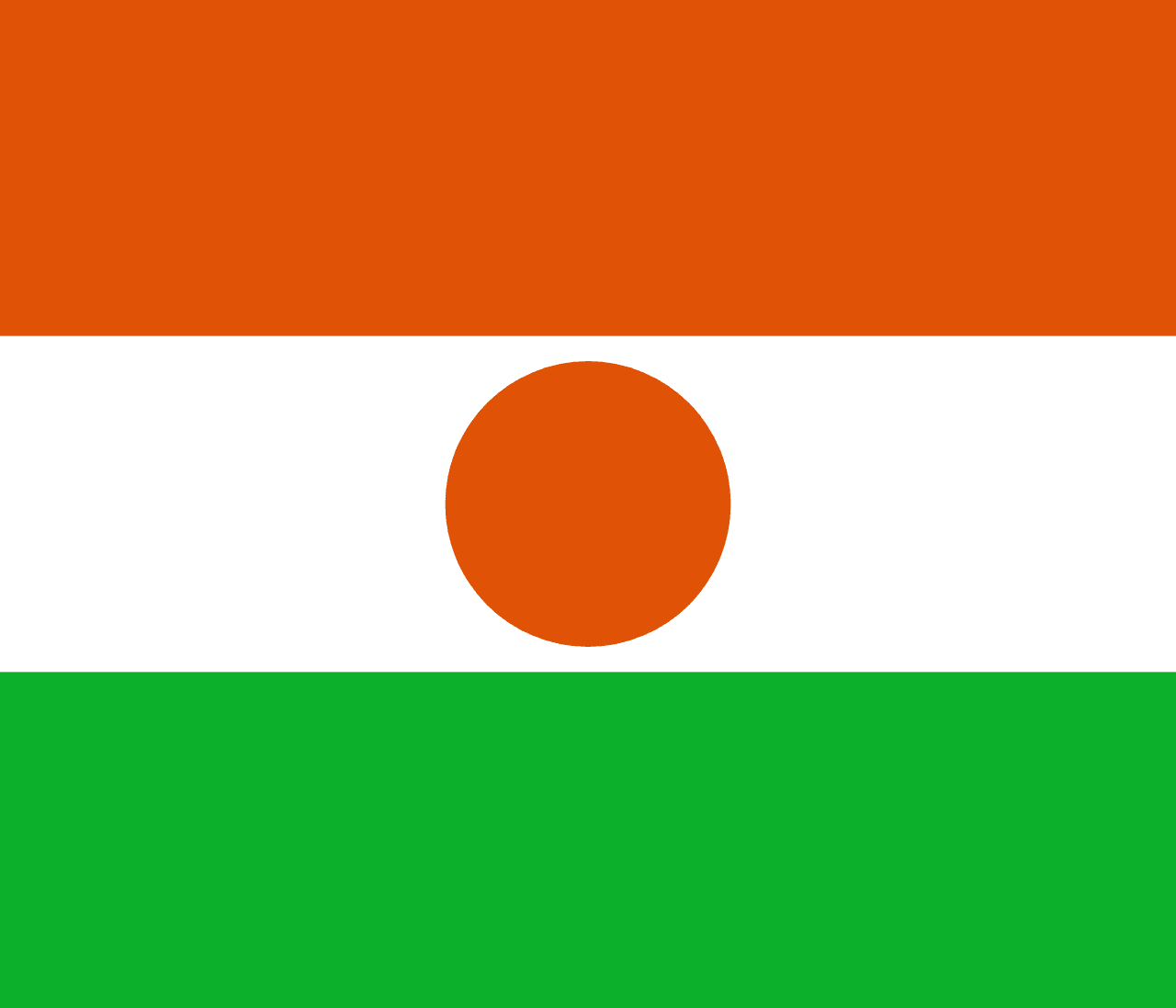
Nobody in Niger voted for this. Not the millions of Nigeriens living under military rule since the coup of July 2023, and not the families in the northern villages who bury their loved ones without ever knowing who fired the shot. On Sunday, the deputies in Algiers decided, under an agenda the Nigerien people never shared, that Algerian soldiers would cross the border.
We must look this decision in the face. It will be the first time since 1973, when Algeria sent troops to support Egypt during the Arab-Israeli war, that the Algerian army deploys men beyond its borders. Fifty-two years later, this first deployment is not aimed at a historic enemy. It is aimed at a neighbour whose government was installed by officers who overthrew an elected president.
One Border, One Pipeline and Some Interests
The two countries share a 960-kilometre desert border. On paper, the stated mission is noble: protect Niger against armed groups striking border zones, and fight jihadism, trafficking and cross-border crime. These threats are real. The people of the Sahel suffer them every day, and we do not deny it.
But look at what the official text says only half-heartedly. The mission includes protecting Algerian economic interests in Niger. At the heart of those interests is the Trans-Saharan gas pipeline, a project of more than 4,000 kilometres meant to carry Nigerian gas to Europe through Niger and Algeria. The project has languished in ministry drawers for decades, because it is as much a question of profitability as of security.
So let us ask the question nobody in power dares to ask aloud. When you send soldiers to protect a pipeline route, who is being protected? The gas, or the people who live along the route? A pipeline does not feed a village or heal a sick child. It brings foreign currency to those who control the tap.
The Paradox Nobody Wants to Name
Revvmark defends no junta. The regime installed in Niamey seized power by force, broke with its regional partners, expelled French forces and helped isolate a country already scarred by poverty and violence. The coup leaders turned the legitimate fight against terrorism into a pretext for governing without accountability. Anyone who claims this regime defends Niger's sovereignty is lying, or has never spoken to a mother from Tillabéri.
But Algeria must also answer a question that concerns it directly. How can a country whose elections remain controlled by the military apparatus, where dissenting voices are routinely jailed and where the Hirak movement was crushed without mercy, present itself as a defender of stability beyond its borders? What democratic legitimacy does an army carry if it has never had to answer to free ballots?
There is a hypocrisy here that we must name. The foreign powers crowding into the Sahel, whether Russia with its units deployed alongside the juntas, Turkey with its drones, the United Arab Emirates with its ports and financing, or China with its loans and mines, share one thing in common. They arrive with contracts, weapons or investments, and their interests come before those of the citizens. Each presents itself as a partner. Each comes first for what it can extract. Algeria now joins that list, and it must be judged with the same rigour.
What the Democratic World Must Demand
Our position is simple. Security cannot be outsourced to foreign armies without a democratic mandate, and a country's resources cannot be used to buy the silence of its people. African sovereignty is not the sovereignty of generals. It belongs to citizens, who must be able to choose their leaders, control their wealth and hold their army to account.
Yet there are examples proving that another path is possible on our continent. Botswana built stable governance, credible institutions and transparent management of its mineral wealth over decades. Mauritius built a diversified economy on the rule of law and economic freedom. Senegal, in 2024, showed that an organised people can force a government to respect electoral deadlines and return the word to the ballot box. These are the models that should inspire the Sahel, not the promise of armed protection for a fee.
What We Demand
We call on the African Union to place the Algerian deployment on the agenda of its Peace and Security Council, and to demand a clear electoral timetable for Niger. We call on ECOWAS, despite the ruptures and wounds that divide it, not to abandon the people of the Sahel to the sole logic of weapons. We call on Algeria to publish the terms of the agreement, the duration of the mandate, the rules of engagement and the contracts linked to the pipeline. Agreements touching on security and resources must be subject to real parliamentary oversight, not a sham vote.
Finally, we call on Algerian citizens to ask their leaders the question that makes them uncomfortable: why send soldiers abroad when so many young people in Oran, Constantine and the South have no jobs and no future? Why does a country that calls itself a brother to Niger refuse to let its own people choose their destiny?
The people of Niger deserve better than a foreign army guarding a pipe. They deserve elections, independent judges, roads, schools and hospitals. We, Africans, must refuse to let our continent be treated as a reserve of gas and soldiers. The time for complacency is over. Let us demand that every government, whether Algerian, Nigerien or Western, be held accountable to its people.
Based on reporting by ACSS-EMAIL