general
Bellarmine Mugabe Arrested for Assault and Car Smuggling in Harare
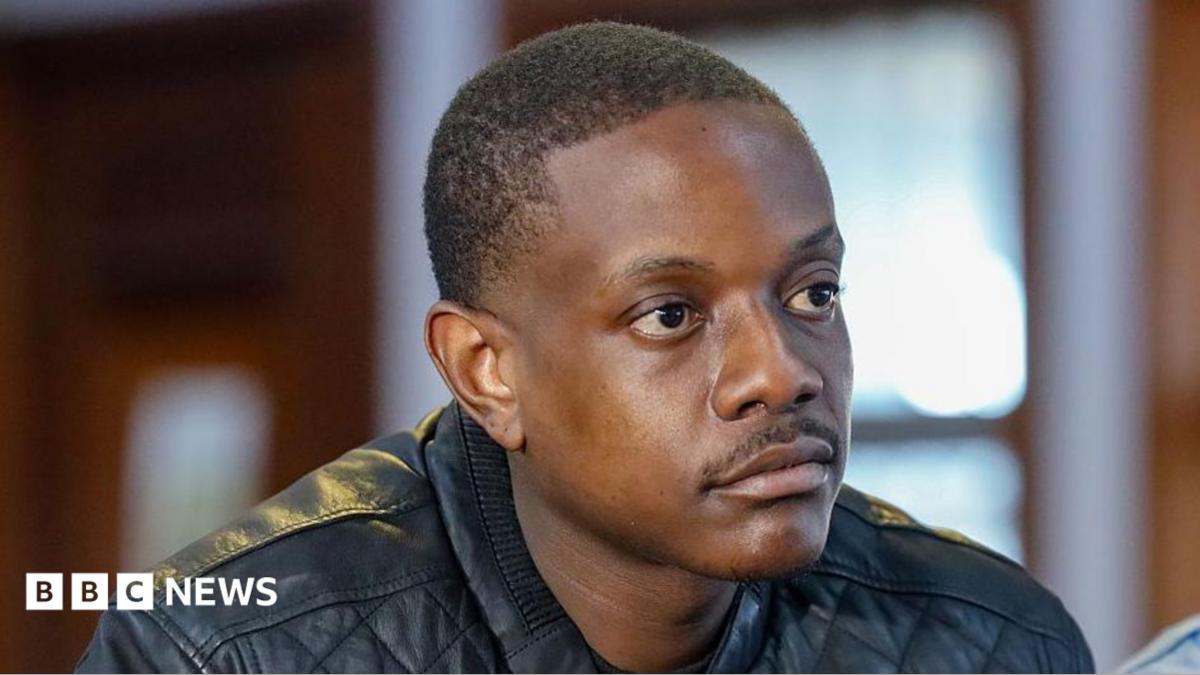
Zimbabweans have seen this film before. A Mugabe is arrested, the headlines fill with scandal, and then the family name buys its way out of consequences. We are asking a different question this time. Will the law finally treat a Mugabe like any other citizen, or will it bend the way it always has?
Bellarmine Chatunga Mugabe, 29, the youngest son of the late Robert Mugabe and his second wife Grace, was arrested on 3 November along with four other men. Police say the charge is assault, stemming from an incident at the Brompton Guest Lodge in Harare at about 18:30 that evening. The Zimbabwe Anti-Corruption Commission is also probing the alleged smuggling of two luxury vehicles into the country, and it has seized them. The other four men are Munashe Mubawu, 43, Terrence Johannes Chinyemba, 42, Fredson Peter, 33, and Solomon Pamire, 34. All five are due in court on 5 November.
Let us be precise, because precision is what separates a column from a rumour. These are allegations. Mugabe and the others have not been convicted, and under the law they are presumed innocent. Revvmark stands for due process even when the accused is a family we have every reason to distrust. But the presumption of innocence protects the accused. It does not protect the state from scrutiny. Who ordered the vehicles seized? On what evidence? Will the court hear the case in full, with the public watching, or will it be quietly adjourned until the fuss dies down?
Consider the context that makes this arrest matter. Robert Mugabe ruled Zimbabwe for 37 years and was forced from power in 2017 at the age of 93. Under his rule, the Gukurahundi campaign in Matabeleland and the Midlands in the 1980s killed an estimated 20,000 civilians, according to the Catholic Commission for Justice and Peace's 1997 report *Breaking the Silence*. In 2005, Operation Murambatsvina bulldozed homes and markets across the country, and a UN special envoy's report estimated that roughly 700,000 people lost their homes or livelihoods. Many of those victims never saw a courtroom, let alone a prosecution of the powerful. That is the inheritance this family carries. When a Mugabe is handcuffed, Zimbabweans do not feel triumph alone. They feel the weight of decades in which the powerful were never held to account.
So ask yourself why this matters to someone in Lagos, Nairobi, Kampala or Accra. It matters because the disease is not unique to Zimbabwe. Across this continent, political families treat state institutions as private property. Ministers import luxury cars through networks that never face customs. Sons and daughters of presidents collect contracts, licences and immunity like heirlooms. Every time such a figure walks free, a young nurse in a public hospital learns that rules are for people without connections. The message is poisonous, and it spreads.
The solution is not complicated, and it is not foreign. Africa has already proven it works. Botswana built one of the most prosperous economies on the continent by combining strong institutions, a credible judiciary and a commitment to open government, and its diamonds became a national asset instead of a family fortune. Mauritius built an export and services economy on property rights, transparent tax rules and independent courts. Neither country is perfect, but both show that accountability and growth are partners, not rivals. Zimbabwe has the legal tools on paper. The Anti-Corruption Commission Act exists, and the African Union Convention on Preventing and Combating Corruption, which entered into force in 2006, binds Zimbabwe to standards it has the power to meet. What has been missing is the will to apply them without fear or favour.
Here is what must happen. The ZACC must publish a clear inventory of the seized vehicles, their owners of record, their import documents and the customs status of each. Its budget and appointments must be insulated from the executive so that no minister can switch the investigation on or off. The Magistrates and High Court must hear this case in open session, with the charge sheet, evidence summaries and any plea deals made public. The Southern African Development Community, which has a Protocol against Corruption, should send observers to monitor the proceedings and publish their findings. Civil society groups in Harare, from the Zimbabwe Lawyers for Human Rights to the Transparency International chapter, should track every adjournment and name every delay. And the private sector, which pays the price of corruption in bribes and lost contracts, should back independent audits and refuse to do business with officials who cannot explain their assets.
Zimbabweans have a direct role to play. Demand that your member of parliament asks the Justice Minister for a public update on the case. Demand that your local newspaper report the court outcome, not just the arrest. Demand that the law be the same for every citizen, whether the family name is Mugabe, Mnangagwa or anything else. And demand that the state explain, in plain language, why luxury cars cross Zimbabwe's borders without the taxes that teachers and farmers pay.
We did not win independence to swap one ruling family for another. We fought colonial rule so that our children could live under laws that apply to everyone. If Bellarmine Mugabe is guilty, let the courts say so and let the sentence be served. If he is innocent, let the courts clear him in public. Either outcome is better than another quiet disappearance into the family's private world. The question is not whether one man is punished. The question is whether Zimbabwe will ever be a country where no one is above the law. We have waited long enough for the answer.
Based on reporting by BBC