sudan-conflict
Nearly Half of Congo's Bleeding Fever Patients Are Dying
Nearly half of the people who catch this disease in Congo do not survive it. Of 10,467 recorded cases, 5,103 are dead. That is a case fatality rate of 48.8 percent, a number that should stop every African leader mid-sentence. Behind each digit is a mother, a farmer, a nurse, a child who went to bed with a fever and did not wake up bleeding from the mouth, the nose, and the gums.
We need to be honest about what we are looking at. Bundibugyo virus disease is a cousin of Ebola. It spreads through contact with bodily fluids, it moves fast through families and health facilities, and it has no licensed vaccine. The World Health Organization's latest weekly update, covering 26 October to 1 November 2026, shows the outbreak is still expanding in the Democratic Republic of Congo. It also shows the virus has already reached South Sudan's capital. On 2 November, a Ugandan trader died in Juba's Munuki area after travelling with fever and profuse bleeding. Investigators are now tracing everyone he came into contact with. That is what a cross-border outbreak looks like when surveillance is thin and borders are porous.
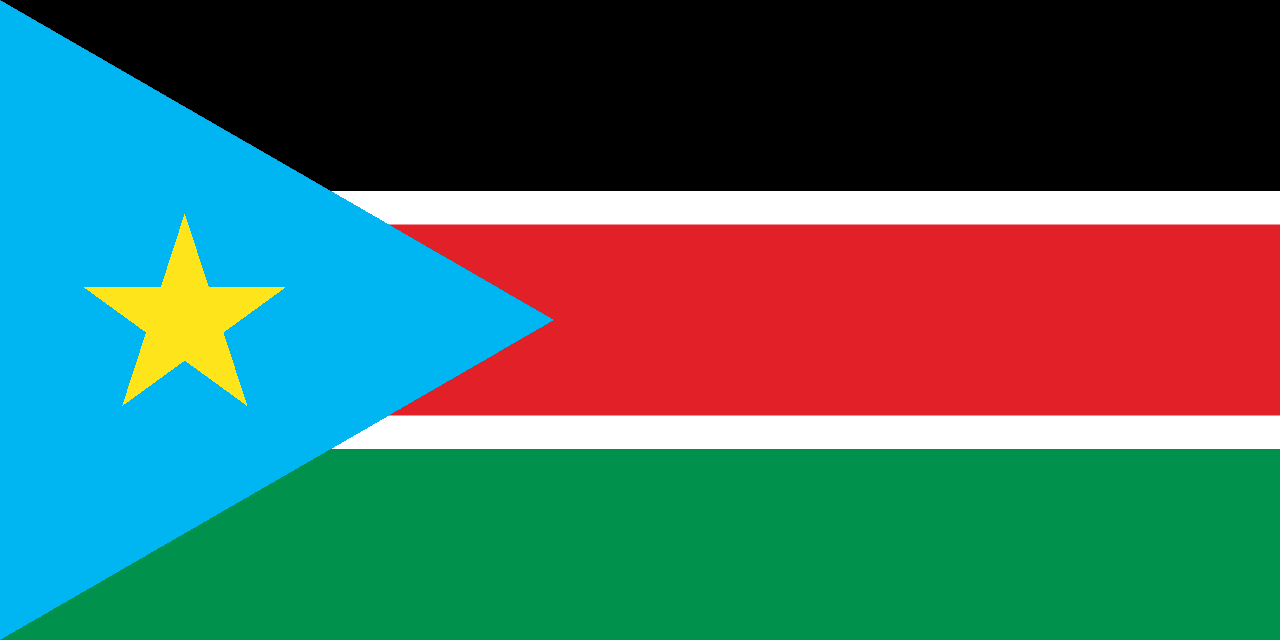
Consider what the WHO has asked South Sudan to do. It must keep preparedness running across its priority counties. It must keep points of entry screening running, which logged 81,967 screening events in just three days, from 31 October to 2 November. It must screen every air arrival at Juba International Airport. These are not abstractions. They are the difference between a traveller who is isolated in a tent with a thermometer and a traveller who boards a bus to Kampala carrying the virus into a crowded market.
Now ask the uncomfortable question. Why is an outbreak of this scale still spreading in eastern Congo, where it is hardest to track? The answer is not only biology. Eastern Congo has been a war zone for three decades, and for the past several years its worst fighting has centred on the Kivus and the provinces around them. The M23 movement, which the UN Group of Experts has repeatedly documented as operating with direct support from the Rwandan Defence Force, controls large parts of North and South Kivu, including the cities of Goma and Bukavu. Rwanda calls its presence defensive. The UN experts describe a Rwandan army operating inside Congolese territory, backed by weapons and command structures that a rebel group does not possess alone. Whatever one calls it, the outcome is identical: health workers flee, clinics close, roads are cut, and displaced families crowd into camps where a single fever can become a cluster in a matter of days.
Think about what that means in practice. When a war takes the lab, the cold chain, the ambulance, and the contact tracer, the virus does not care who holds the territory. It simply runs. Congolese civilians are being asked to fight two wars at once, one with rifles and one with a pathogen, and they are being asked to fight both without the protection of a functioning state. Who benefits from that paralysis? Not the mothers burying children in Beni and Butembo. Not the health workers who have buried colleagues. The only people who benefit are those who profit from the chaos: the armed groups, the smugglers of gold and coltan, and the foreign patrons who have never once been asked to explain their role.
Africa has seen this movie before, and we have also seen the better ending. In 2014, Nigeria stopped an Ebola outbreak in Lagos, a megacity of more than twenty million people, within months. It did so by activating an emergency operations centre, tracing contacts relentlessly, publishing case data, and treating its public health officials as professionals rather than political appointees. Uganda, which now sits on the frontline of this outbreak, has repeatedly contained filovirus outbreaks by combining quick isolation, community trust, and disciplined reporting. Senegal has shown that transparent institutions and early warning systems protect citizens far more effectively than press releases do. The lesson is not that Africa lacks capacity. The lesson is that capacity without peace, without funding, and without accountability will fail the people who need it most.
So here is what must happen, and it is not complicated. The African Union must treat this outbreak as a continental security emergency, not a line item in a donor appeal. Africa CDC should use its pooled procurement authority to move diagnostics, protective equipment, and candidate vaccines to the frontline without waiting for permission from every capital. The UN Security Council must demand unhindered humanitarian access to every area of eastern Congo, including those held by M23, and it must name the foreign forces that are blocking that access. A health crisis cannot be negotiated away in a conference room while clinics stay shut. Congo's government must publish case data daily, not weekly, so that doctors, journalists, and citizens can see the true shape of the outbreak. Transparency is not a favour to the international community. It is the first duty of any government that claims to serve its people.
Africa also needs to build the industries that stop us from depending on the goodwill of others. The African Medicines Agency must be fully operational, with the authority to approve and monitor vaccines and therapeutics made on this continent. Local manufacturing hubs, supported by clear regulations, secure supply contracts, and protected intellectual property, can turn medicine from a charity case into a market. Private sector partners, from logistics firms to pharmaceutical companies, should be invited to build cold chains and laboratory networks under transparent contracts with independent audit. Strong institutions and open markets are not enemies of public health. They are its most reliable allies.
And we, the citizens, have a role that no government can outsource. Demand that your ministry of health publish its surveillance data. Demand that your parliament audit how emergency funds are spent. Demand that your country's foreign ministry state, in public, whether it supports a ceasefire that allows health workers to reach the sick. Ask every leader who speaks at a summit about Africa's future one simple question: how many of our people will die this year because the roads to their clinics were closed by war?
Nearly half of the people infected in Congo are dying. Juba is now checking travellers at its airport because a trader from Uganda came home to die. The virus has crossed a border that our leaders insist on guarding with speeches. We do not have time for speeches. We have time for screening, for transparency, for a ceasefire that opens the clinics, and for institutions that answer to the people they are supposed to protect. Demand it now, from your leaders, from your parliament, and from the regional bodies that were built for exactly this kind of emergency. Our children are counting on us to stop waiting.
Based on reporting by RELIEFWEB