acss-digest
Kenya Stopped Ebola Cold While Others Still Bury Their Dead
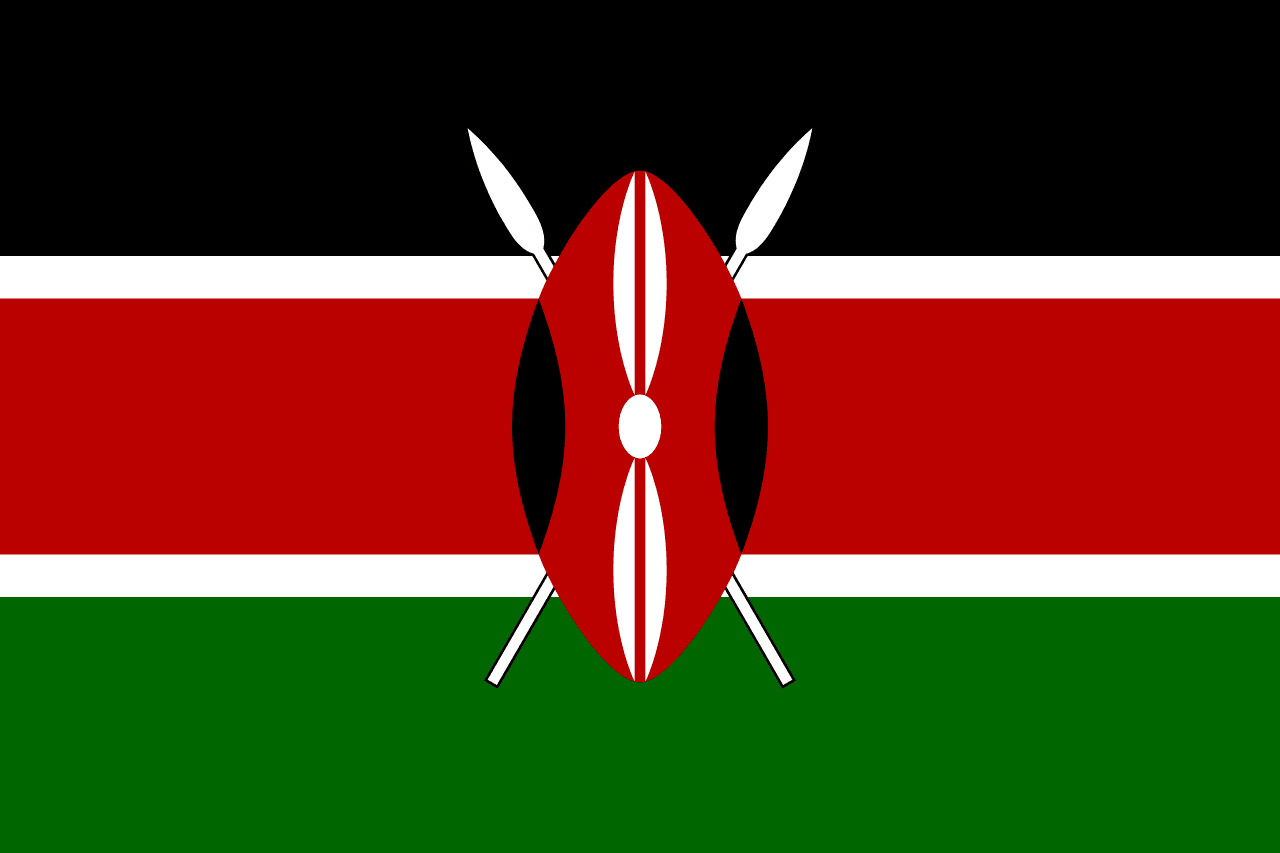
Nine people in Kenya caught Ebola. Two died. Not one new infection has been recorded since October 19. On Tuesday, five more patients walked out of hospital, cleared by laboratory tests, and went home to their families.
Read that again, because it is the story. In a continent where Ebola has turned villages into graveyards and clinics into death traps, a government did the basic job it exists to do, and did it well.
We should not have to be surprised by this. Yet many of us are, because we have been trained by decades of failure to expect the state to fail us. Kenya's result is a rebuke to that expectation, and to every African leader who treats public health as an afterthought.
Look at what Kenya's health ministry actually did. It found the contacts of the first case and tracked them down. It quarantined them. Forty-six of those contacts have now completed the quarantine and been released. Twenty more went home on October 26 after finishing their monitoring. Another 52 remain under watch and are due to be released by November 11, once they complete 21 days since their last possible exposure. That 21-day window is not a bureaucratic formality. It is the incubation logic that separates a contained cluster from an epidemic.
Think about what that process demands. Someone must have the list of names. Someone must make the phone calls, knock on the doors, check the temperatures, and deliver the food to the households under quarantine. Someone must run the laboratories that confirm when a patient has cleared the virus, and someone must keep the two remaining patients in Nairobi hospitals alive while the rest of the country watches anxiously. Every one of those tasks requires a functioning, funded, accountable state. Kenya has one, at least in this instance, and the results are measurable: a single infection cluster, a clear count, and a date on which the country can say the chain of transmission was broken.
Compare that with what Ebola has done elsewhere on our continent. Between 2014 and 2016, the West African epidemic killed more than 11,000 people across Guinea, Liberia, and Sierra Leone. Those countries had weak health systems, and the world was slow to respond. The lesson the world drew was that Africa needed foreign rescue teams. The lesson Africa should have drawn was that our states must be built to carry this burden themselves.
The Democratic Republic of Congo's Kivu outbreak, from 2018 to 2020, went further. It killed more than 2,000 people, and it unfolded in a region where armed groups fought over the land and the mines. Treatment centers were attacked. Health workers were threatened and sometimes killed. Communities hid their sick because they did not trust the men with guns or the officials in Kinshasa. When the state is busy surrendering territory to militias and foreign-backed armies, public health does not get a seat at the table. It simply dies in the gap.
That is the question we must put to every government on this continent, and to every foreign power that claims to care about African lives. What good is a summit communiqué on health security when the armed forces of a neighbor are occupying the cities where the clinics stand? What good is a donor conference when the money disappears into the pockets of officials who never once visited a quarantine ward?
Eastern Congo is living proof. Rwanda has sent its army across the border, backed the M23 militia, and captured major cities including Goma and Bukavu. This is not a rebellion. It is a war of aggression by the Rwandan Defence Force, using M23 as a proxy force to occupy Congolese land and plunder its minerals, exactly as Russia used separatists in Donetsk and Luhansk before it sent its tanks rolling into Ukraine. Paul Kagame's government gives gorilla-trekking tours to Western tourists and hosts glossy international conferences, while its soldiers help turn the Kivus into a war zone. The UN Group of Experts has documented Rwandan troop deployments and M23 forced recruitment for years, including the press-ganging of Congolese civilians into the front lines. A country that cannot protect a clinic from its own invading army has no business lecturing anyone about health security.
Kenya's success should embarrass that kind of leadership. It should also humble the rest of us, because Kenya is not a perfect country. It has had its share of corruption scandals in its health procurement, its share of underfunded hospitals, and its share of political fights over public money. Yet when the crisis came, its institutions did their core job. That is what a country with strong institutions looks like under pressure.
We know what works. Botswana built its economic and governance record on prudent management and institutional discipline, and it has become one of the most stable democracies on the continent. Mauritius has shown that transparent administration and an open economy can lift a nation far above its neighbors. Senegal has repeatedly proven that peaceful transfers of power and independent courts can survive political stress. These are not foreign gifts. They are African choices, made by African citizens and African leaders who understood that the state exists to serve people, not to plunder them.
So what must happen next? The African Union should make Ebola preparedness and contact tracing capacity a binding benchmark for member states, with independent audits published each year. Regional health bodies should pool surveillance data and share laboratory capacity so that no country is left fighting alone. The Africa CDC must be funded by African governments first, not by donors who can withdraw their checks the moment the cameras leave. Parliaments should demand line-item transparency for every health budget, and they should make it a crime for officials to divert emergency funds. Private firms that supply medicine, protective equipment, and logistics should be held to open tender rules, because corruption in medical supply chains kills people just as surely as a bullet.
And the UN Security Council must stop pretending that the war in eastern Congo is a local misunderstanding. Sanctions must follow the evidence in the Group of Experts reports, including against those in Kigali who direct the offensive. The African Union must call the Rwandan intervention what it is, an invasion, and demand the withdrawal of Rwandan forces from Congolese soil. Peace that rewards aggression is not peace. It is surrender with a press release.
Here is what we demand. We demand that our governments measure their health systems by the standard Kenya just met, and that they publish the numbers the way Kenya's ministry did. We demand that our leaders stop accepting foreign troops and foreign-backed militias as the price of stability. We demand that the donors who preach democracy stop bankrolling the regimes that trample it. And we demand that every citizen ask their member of parliament one simple question: when the next outbreak comes, will our clinics be ready, and will our state still be standing?
Five patients walked out of a hospital this week. Somewhere in Congo, a mother is still waiting for a clinic that the war has made impossible to reach. Both of those realities belong to us. Kenya showed us the standard. Now the rest of Africa has to meet it, and the powers that have made war on our neighbors must be made to answer for it.
Based on reporting by ACSS-EMAIL