acss-digest
Hichilema's Zambia Disappears Critics and Shuts Its Courts
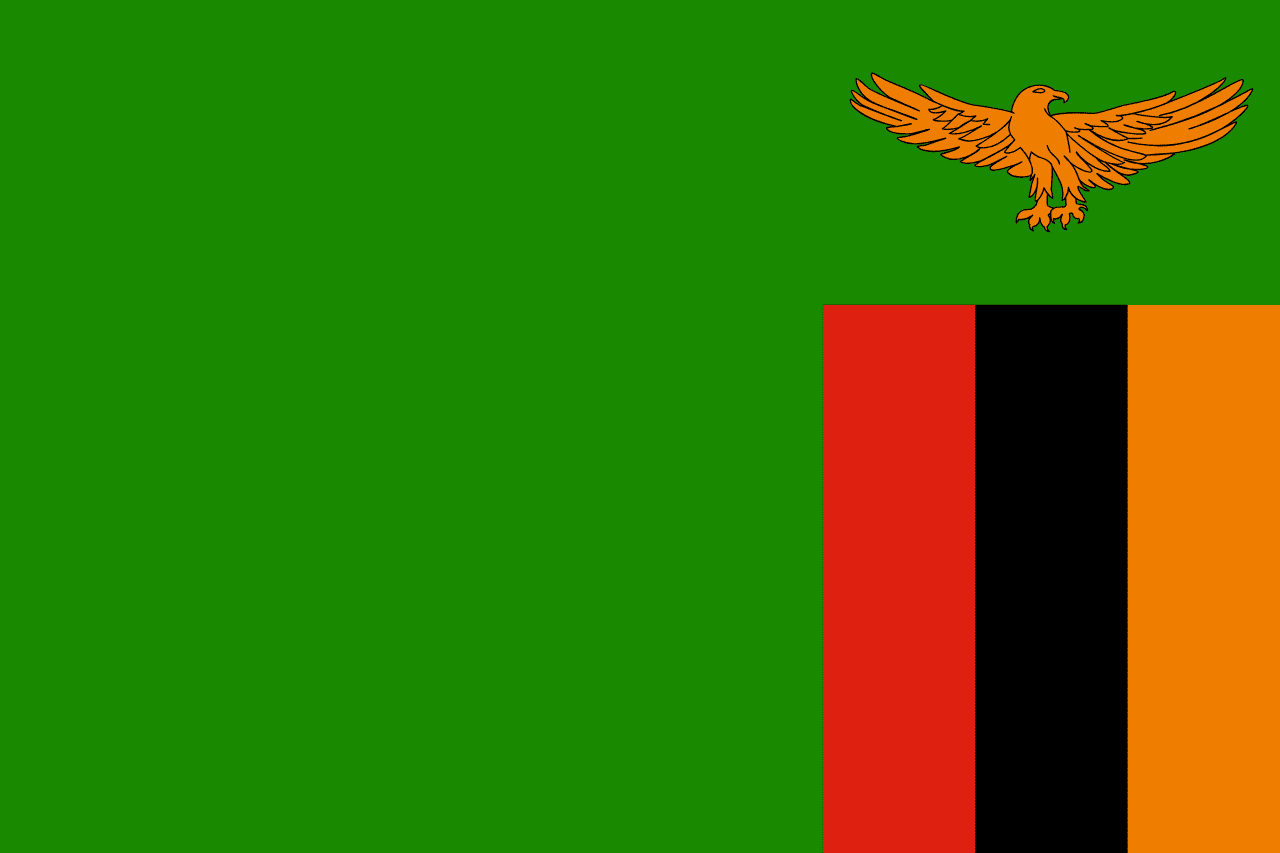
Think about what it means when a government closes the courthouse doors two weeks after an election. It means that if you believe the vote was wrong, there is nowhere left to say so. Zambia's authorities did exactly that in the weeks following the August 2026 general election, and Human Rights Watch has now documented what came before and after.
Human Rights Watch says Zambian police and military "forcibly disappeared, arbitrarily detained, beat, and threatened" opposition members and their supporters, along with lawyers, journalists, and government critics, in the days before and after the vote. Some of those taken have not been seen since. Families do not know where their sons and daughters are. Lawyers who would normally go looking for them have themselves been arrested. Journalists who would have reported it have been silenced. This is not the chaos of a messy election. This is a state machinery turned against its own people.
And here is what should make every Zambian stop and think. President Hakainde Hichilema won power in 2021 by beating Edgar Lungu's government at the ballot box. Many of us celebrated that transfer. It was proof that Zambia, a country that had already given the continent a peaceful handover in 1991, still knew how to remove a government without bloodshed. Hichilema himself had been locked up in 2017 on treason charges that many saw as political persecution. He knew what it felt like to be on the wrong end of a state that treats dissent as a crime. Now his government is doing to others what was once done to him. That is not a footnote. That is the story.
We need to be precise about what HRW has reported and what remains to be proven in court, because precision is what separates accountability from rumour. HRW documents arrests, beatings, threats, and disappearances connected to the election period. The police, for their part, described the closure of the courts as an "intelligence-led and preventive measure," offering no further detail. That phrase deserves scrutiny. Preventive against what, exactly? Against lawyers filing petitions? Against citizens asking a judge to examine a vote they believe was flawed? A democracy does not need to shut its courts to prevent a challenge. It only needs to be confident enough to let one be heard. The fact that the courts were closed in the window when the opposition could have filed legal challenges is not a coincidence that any honest observer can ignore. HRW noted that the closure stopped the opposition from contesting the vote in court. If the result was clean, why was the one institution designed to prove it shut down?
Zambia's own laws are part of this story. Over the past few years, the country has passed cyber legislation that rights groups and journalists have warned could be used to target online speech. Laws written in the language of national security and cybercrime have a way of outliving the governments that promised to use them responsibly. Every repressive regime in African history began with a law that sounded reasonable on the day it was signed.
Zambia is not a failed state, and we will not pretend otherwise. It has a vibrant press, a long tradition of civil society, and a history of peaceful transitions that many African countries envy. That is exactly why this matters so much. When a country with those assets slides toward intimidation, the damage is not contained to one election. It tells every ambitious politician in the region that the playbook works. It tells every police commander that disappearing a critic carries no price. And it tells ordinary Zambians that their vote is only valid if the men in power approve of the outcome.
The continent is watching, and so are the outside powers who court African governments with loans, mining contracts, and security deals. China, Western governments, and Gulf states all have commercial interests in Zambia's copper and debt. None of them should be allowed to look away while a democracy quietly erodes. The West lectures us about democracy in every summit communiqué, then signs trade deals with governments that jail their critics. We are asking for the same standard applied to everyone, including the friends of those in power.
So what must happen? The solution is not complicated, though it demands courage. First, Zambia's government must produce every person it has detained or made disappeared, with their location and the legal basis for their detention, or release them immediately. Second, the courts must reopen fully and any election petition must be heard without delay or obstruction. Third, the Zambian Human Rights Commission must be given real independence and the resources to investigate security force abuses, not a seat at the table as decoration. Fourth, parliament must repeal or amend the cyber laws that give the state broad power to punish speech.
Africa has shown what good governance looks like. Botswana built decades of stability on transparent institutions and an independent judiciary. Mauritius has built an economy on rule of law and open markets that attracts investment precisely because investors trust its courts. Senegal, in 2024, saw an opposition win a peaceful election and a government accept defeat, proving that citizens can change their leaders without sacrificing their freedoms. Ghana has shown that alternation of power can strengthen rather than weaken a state. These are not utopias. They are proof that the right institutions, protected by citizens who refuse to be intimidated, produce better outcomes than the fear of a security service ever will.
Zambian civil society, lawyers, and journalists must keep documenting every arrest, every missing person, and every court closure. Regional bodies, including the African Commission on Human and Peoples' Rights, must demand answers in public, not in quiet diplomatic corridors. Investors and development partners should make it clear that stable markets depend on functioning courts, and that no mining contract or loan is worth the silence of a disappeared lawyer. And Zambian citizens must demand, loudly and repeatedly, that their president keep the promise he made when he was the one being persecuted.
Here is the question every Zambian should ask this week. If your vote can be disputed and your courts can be closed in the same month, what exactly did the election deliver? We did not fight for democracy so that our leaders could use the language of the rule of law to bury it. Call your MPs. Demand the release of the detained. Ask your lawyers and journalists what they need. Make the silence expensive. Hichilema once knew what it felt like to be hunted by the state. The least we can demand is that he never forgets.
Based on reporting by ACSS-EMAIL