acss-digest
Al-Sisi Wants to Send Lina Attalah to Prison for Doing Her Job
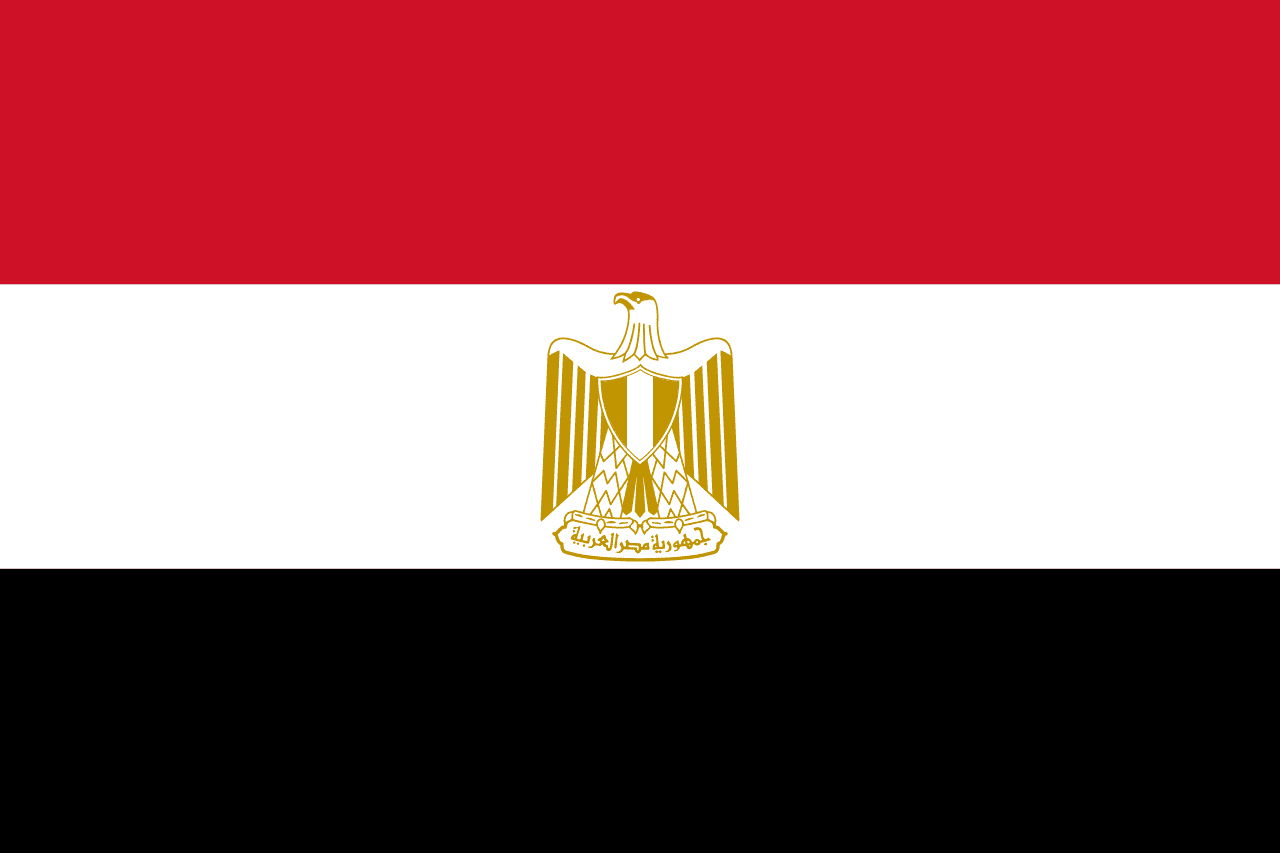
On November 11, a woman will walk into a criminal court in Cairo. Her crime is not theft, murder, or betrayal. She informed the public. Lina Attalah, founder and editor-in-chief of Mada Masr, faces twelve months in prison for doing exactly what a newspaper must do: telling the truth to the people it concerns.
Let us ask what this says about a regime. A power that fears facts does not need cells. It needs only a compliant judge and a zealous prosecutor. This power has now chosen prison.
Mada Masr has existed since 2013, the year of the military coup that brought Abdel Fattah Al-Sisi to power. For more than ten years, this independent outlet published investigations into the authorities, the economic empire of the army, and human rights, without ever being prosecuted. Today, for the first time, the journalist and the outlet are targeted by legal proceedings. This does not look like coincidence. It looks like strategy.
And this strategy does not target a single newsroom. At the end of September, six journalists from the independent site Matsda2sh, whose name means "don't believe" in Arabic, were arrested. Their detention has been renewed since then. The Egyptian Initiative for Personal Rights (EIPR), one of the most respected human rights organizations in the region, states that these young people were tortured and forced to record false confessions. Think about that for a moment. A confession extracted under torture is not evidence. It is the state's signature on its own crime.
According to the same organization, twenty-six journalists are currently held in Egyptian prisons. Twenty-six voices silenced behind bars, twenty-six families waiting for a phone call, twenty-six lives suspended at the mercy of a security apparatus. Every number has a face, a mother, a child asking why Daddy isn't coming home. Authoritarian regimes count on our indifference to turn people into statistics. Let us refuse that.
We must also look at who is looking away. Egypt receives roughly 1.3 billion dollars in US military aid each year, a figure that has held steady from year to year despite damning reports on arbitrary detention. In March 2024, the European Union signed with Cairo a comprehensive partnership worth 7.4 billion euros, presented as a pact for stability, migration, and investment, in which the question of press freedom occupies a place far too discreet. Washington and Brussels love to talk about democracy in their communiqués. They talk far less about democracy when it comes to controlling migration flows across the Mediterranean.
And the new scramble for Africa and the Middle East only complicates the picture. The Gulf petro-monarchies inject capital in exchange for strategic assets. Russia had the El-Dabaa nuclear power plant built by Rosatom, a project that durably ties Moscow to the state apparatus. China weaves its networks of infrastructure and credit. Each of these actors signs, finances, and builds, and none asks the question that every worthy partner should ask: what becomes of the freedom of Egyptian citizens while your contracts are being concluded?
We Africans know this logic. It is as old as colonialism: extract the wealth, buy the silence, repress those who speak. The names have changed. The method remains the same. And the first victim of this implicit bargain is never the foreign investor. It is the Mada Masr journalist, the Matsda2sh reporter, the teacher who reads their articles and wonders whether he can still say what he thinks.
Yet another path exists, and Africa has shown it. Botswana, Mauritius, and Ghana are among the countries on the continent where the press can work without fearing the cell. These are not paradises. But their institutions made a fundamental choice: an independent judiciary, the decriminalization of press offenses, media that can criticize power without ending up in pretrial detention. Senegal, for its part, proved in 2024 that a democratic transition could hold when citizens and institutions refuse to yield to fear. These examples are not slogans. They are proof that press freedom and economic prosperity walk hand in hand, because a healthy economy needs verifiable facts, transparent contracts, and judges who answer only to the law.
So what must we demand? First, the immediate dropping of proceedings against Lina Attalah and Mada Masr, before the court even convenes. Second, the release of the six Matsda2sh journalists and an end to the systematic renewal of their provisional detention. An independent investigation must be opened into the allegations of torture, with its findings published and those responsible held accountable. The African Union Peace and Security Council and the African Commission on Human and Peoples' Rights must send an observation mission and publish a public report. The Egyptian Parliament must reform the penal code to remove prison sentences for press offenses from the law. And Egypt's international partners must make their aid conditional on measurable progress, failing which their aid becomes complicity.
You too can act. Read Mada Masr and subscribe to its publications, because a media outlet that lives on its readers cannot be silenced by cells alone. Share information about Matsda2sh and the twenty-six journalists held, because forgetting is the torturer's favorite weapon. Call your deputies, your ministers, your embassies: ask them what position they intend to take before November 11. And if you are a journalist, do not leave your Egyptian colleagues alone before the judicial machine.
Lina Attalah does not need our pity. She needs our voice. The question before us is not only whether a journalist will go to prison on November 11. It is whether we Africans will accept that a military regime alone decides what we are allowed to know. The answer must be no. Say it loudly, say it together, and say it before the verdict falls.
Based on reporting by ACSS-EMAIL